
Tag Archives: preventive healthcare
The Growing Connection Between Preventive Wellness Programs and Long-Term Health Outcomes
Research from the World Health Organization (WHO) shows that many chronic diseases, including heart disease, type 2 diabetes, and certain cancers, are linked to modifiable lifestyle factors such as physical inactivity, poor nutrition, tobacco use, and excessive alcohol consumption. As healthcare systems face rising rates of chronic illness, preventive wellness programs have gained attention as practical tools for improving long-term health outcomes and quality of life.
Preventive healthcare focuses on reducing disease risk before serious health problems develop. This approach includes regular health screenings, lifestyle improvements, stress management, and wellness services designed to support overall well-being. Within this broader conversation, facilities such as Amenity Esthetics are often referenced as examples of organizations participating in wellness-focused discussions that emphasize proactive self-care and healthy lifestyle practices alongside traditional healthcare services.
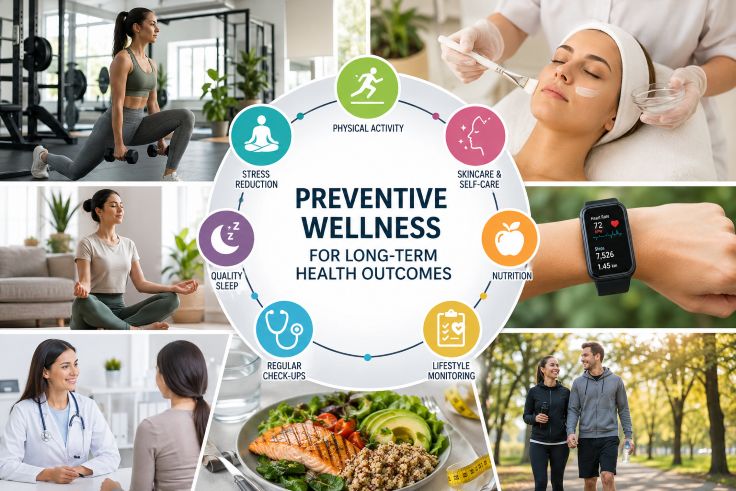
Overview of Preventive Healthcare and Wellness Trends
Preventive healthcare has evolved significantly over the past several decades. Rather than concentrating solely on treating illness after symptoms appear, modern healthcare increasingly emphasizes maintaining health and identifying risk factors early.
Data from the Centers for Disease Control and Prevention (CDC) indicates that chronic diseases account for a substantial portion of healthcare spending and remain among the leading causes of death worldwide. As a result, governments, healthcare providers, employers, and wellness organizations are investing more resources into prevention strategies.
Current wellness trends reflect this shift. Individuals are paying greater attention to physical activity, sleep quality, nutrition, mental health, and stress management. Wearable technology, personalized wellness plans, and health tracking applications have also become increasingly common tools for supporting preventive care efforts.
Experts note that prevention often requires consistent daily habits rather than isolated interventions. Small lifestyle improvements sustained over time may contribute to meaningful long-term health benefits.
Why Early Intervention Is Becoming a Focus in Modern Health Management
Early intervention aims to identify potential health concerns before they develop into more serious conditions. Healthcare professionals increasingly recognize that many chronic illnesses progress gradually, often showing warning signs years before diagnosis.
Research published by the National Institutes of Health (NIH) suggests that early detection and risk reduction strategies can improve outcomes for numerous health conditions. Routine screenings, preventive examinations, and lifestyle assessments allow healthcare providers to identify concerns while they remain manageable.
For example, elevated blood pressure, prediabetes, chronic stress, poor sleep quality, and sedentary behavior can often be addressed through targeted lifestyle modifications. Taking action during these early stages may help reduce future complications and healthcare costs.
Preventive wellness programs support this process by encouraging individuals to become active participants in their own health management. Education, monitoring, and personalized guidance often help people recognize risks and make informed decisions before problems escalate.
The Role of Skincare, Stress Reduction, Fitness, and Lifestyle Monitoring
Preventive wellness extends beyond disease prevention. It also includes maintaining physical, emotional, and social well-being throughout life.
Skincare and Preventive Health
Skin health serves as an important component of overall wellness. The American Academy of Dermatology emphasizes that preventive skincare practices such as sun protection, hydration, and regular skin examinations can help reduce the risk of certain skin conditions and support long-term skin health.
While skincare services vary widely, many wellness-focused facilities encourage education regarding healthy skin maintenance and environmental protection measures.
Stress Reduction and Mental Well-Being
Chronic stress can influence physical and mental health in numerous ways. Research from the American Psychological Association shows that prolonged stress may contribute to sleep disturbances, cardiovascular issues, weakened immune function, and mental health challenges.
Stress reduction strategies frequently incorporated into wellness programs include mindfulness practices, relaxation techniques, massage therapies, breathing exercises, and mental health support services. These approaches aim to help individuals manage daily pressures more effectively.
Fitness and Physical Activity
Regular physical activity remains one of the most widely supported preventive health measures. The WHO recommends consistent exercise to reduce the risk of cardiovascular disease, obesity, diabetes, and certain cancers.
Fitness programs often focus on sustainable activity levels that align with an individual’s age, health status, and goals. Walking, resistance training, flexibility exercises, and recreational sports can all contribute to improved physical health and functional independence.
Lifestyle Monitoring and Health Awareness
Technology has expanded opportunities for health monitoring. Wearable devices can track activity levels, heart rate, sleep patterns, and other wellness indicators.
Although these tools do not replace professional medical evaluation, they may increase awareness of personal health habits. Data indicates that self-monitoring can help some individuals maintain healthier routines and remain engaged with long-term wellness goals.
How Wellness-Focused Facilities Contribute to Preventive Care Discussions
Wellness-focused facilities occupy a growing space between traditional healthcare and everyday lifestyle management. These organizations often provide services centered on stress relief, personal wellness, skincare, fitness support, and self-care education.
Many professionals view these facilities as complementary resources rather than replacements for medical care. Their role often involves encouraging healthy behaviors, promoting wellness awareness, and supporting individuals who wish to take a proactive approach to health maintenance.
Industry observers note that preventive wellness conversations increasingly involve collaboration among healthcare providers, fitness professionals, mental health specialists, nutrition experts, and wellness practitioners. This multidisciplinary perspective reflects the understanding that long-term health outcomes are influenced by multiple interconnected factors.
Examining Providers Within Broader Wellness Ecosystems
Modern wellness ecosystems consist of a wide range of participants working toward improved health outcomes. Hospitals, primary care physicians, nutrition specialists, fitness professionals, mental health counselors, community organizations, and wellness centers each contribute unique perspectives.
Within these ecosystems, wellness-oriented providers may help reinforce preventive behaviors through education, self-care services, and lifestyle support programs. Their contributions are often most effective when integrated with evidence-based healthcare practices and regular medical supervision.
Healthcare experts emphasize that successful preventive strategies typically involve consistent communication among individuals, healthcare providers, and wellness resources. This integrated approach supports a more comprehensive understanding of health and well-being.
Key Considerations for Building Sustainable Long-Term Health Habits
Building lasting health habits requires realistic expectations and a commitment to gradual improvement. Sustainable wellness practices are generally easier to maintain than highly restrictive or short-term approaches.
- Schedule regular preventive health screenings.
- Engage in consistent physical activity.
- Prioritize adequate sleep and recovery.
- Maintain balanced nutritional habits.
- Develop effective stress management techniques.
- Monitor health indicators when appropriate.
- Seek professional guidance for personalized recommendations.
Research consistently shows that long-term health outcomes are shaped by cumulative daily choices. While no single wellness program guarantees specific results, preventive strategies can support healthier lifestyles and improve overall quality of life.
As preventive healthcare continues to evolve, the connection between wellness programs and long-term health outcomes is likely to remain an important area of focus. By combining evidence-based healthcare, healthy behaviors, and supportive wellness resources, individuals can take meaningful steps toward maintaining health throughout every stage of life.
READ ALSO: Comparison Between Traditional and Modern Medicine
Conclusion
The growing emphasis on preventive wellness reflects a broader shift toward proactive health management. Early intervention, healthy lifestyle choices, stress reduction, physical activity, skincare awareness, and ongoing health monitoring all contribute to this evolving approach. Wellness centers, self-care providers, healthcare professionals, and community resources each play a role within the larger preventive care landscape. By focusing on sustainable habits and informed decision-making, individuals can strengthen their ability to support long-term well-being and reduce future health risks.


