
Is Topical Hair Loss Treatment Worth It? A Practical Guide to Using Minoxidil Kirkland 5%
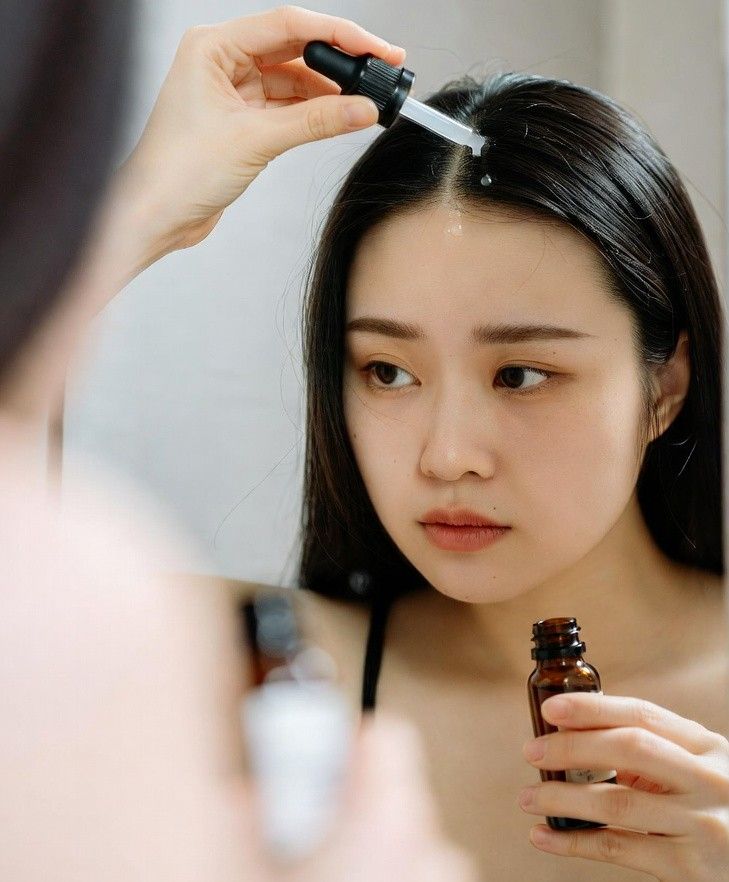
Hair loss affects millions of people worldwide, with studies from the American Academy of Dermatology showing that pattern hair loss can begin as early as the late teens or early twenties. For many, the experience goes beyond appearance. It can affect confidence, daily routines, and even social interactions. At the same time, the internet offers countless treatments, each promising quick results, which often leaves people confused about what actually works.
Among the widely recognized options, Minoxidil Kirkland 5% stands out as a commonly used topical solution. It is often recommended because of its accessibility and the volume of clinical data supporting its effectiveness. Still, knowing that a product exists is different from knowing how to use it properly and what to realistically expect.
What Is Minoxidil and How It Works
Minoxidil is a topical medication originally developed for high blood pressure, but researchers noticed it promoted hair growth as a side effect. Over time, it became a standard treatment for androgenetic alopecia, commonly known as pattern hair loss.
Research published by the National Institutes of Health (NIH) explains that minoxidil works by widening blood vessels in the scalp. This process improves blood flow to hair follicles, which may help prolong the growth phase of hair and increase follicle size. As a result, hair strands can grow thicker and stronger over time.
While it does not cure hair loss, it can slow progression and stimulate regrowth in many users when applied consistently.
Step-by-Step Usage Guide
1. How Often to Apply
Most 5% topical solutions are designed for twice-daily use. Apply once in the morning and once at night, unless otherwise directed by a healthcare provider. Consistency matters more than quantity. Missing applications can reduce effectiveness.
2. Proper Scalp Preparation
Start with a clean, dry scalp. Oils, sweat, or styling products can block absorption. Gently part your hair to expose thinning areas, then apply the solution directly to the scalp rather than the hair.
3. Application Technique
Use the dropper or applicator provided. Spread the liquid evenly across the affected area and lightly massage it in. Wash your hands afterward to avoid unintended contact with other areas of the body.
4. Common Mistakes to Avoid
- Using more than the recommended amount, thinking it will speed up results
- Applying on wet hair or scalp, which dilutes the solution
- Stopping early due to lack of immediate results
- Inconsistent use, which interrupts the hair growth cycle
Experts from the American Hair Loss Association emphasize that proper technique and routine are critical to seeing any meaningful improvement.
What to Expect (Timeline & Results)
Hair growth takes time, and topical treatments are no exception. Many users notice increased shedding within the first few weeks. This can be alarming, but dermatologists explain that it often signals the transition of weak hairs being replaced by stronger ones.
Visible changes typically begin after three to four months of consistent use. Fuller results may take six months or longer. Data from the Journal of the American Academy of Dermatology indicates that a significant percentage of users experience moderate regrowth with continued application.
It is important to manage expectations. Results vary depending on factors like age, genetics, and how early treatment begins. While some achieve noticeable density improvements, others may simply slow further thinning.
Safety and Side Effects
Topical minoxidil is generally considered safe for most adults. However, mild side effects can occur. These may include scalp irritation, dryness, or itching. In rare cases, users may experience unwanted hair growth in areas where the solution accidentally spreads. For those thinking beyond hair regrowth alone, broader wellness factors like cellular health and aging support can also play a role in maintaining overall hair and scalp condition over time.
The U.S. Food and Drug Administration (FDA) notes that serious side effects are uncommon but advises stopping use and consulting a doctor if symptoms like dizziness, chest pain, or rapid heartbeat occur.
To reduce risks, follow instructions carefully and avoid overuse. If you have underlying health conditions or are unsure about starting treatment, seeking medical advice is always a good step.
Conclusion
Topical hair regrowth treatments can feel overwhelming at first, especially with so many products claiming fast results. However, solutions like a 5% minoxidil formula have remained popular because they are backed by consistent research and real-world use.
This type of topical hair treatment may be worth considering if you are experiencing early to moderate hair thinning and are ready to commit to a daily routine. It is not a quick fix, but with patience and proper use, it can support healthier hair growth over time.
If hair loss is sudden, severe, or linked to other symptoms, consulting a dermatologist is important. Professional guidance helps rule out underlying conditions and ensures you choose the right treatment path. In the end, informed decisions, realistic expectations, and consistency are what make any hair regrowth solution truly worthwhile.


